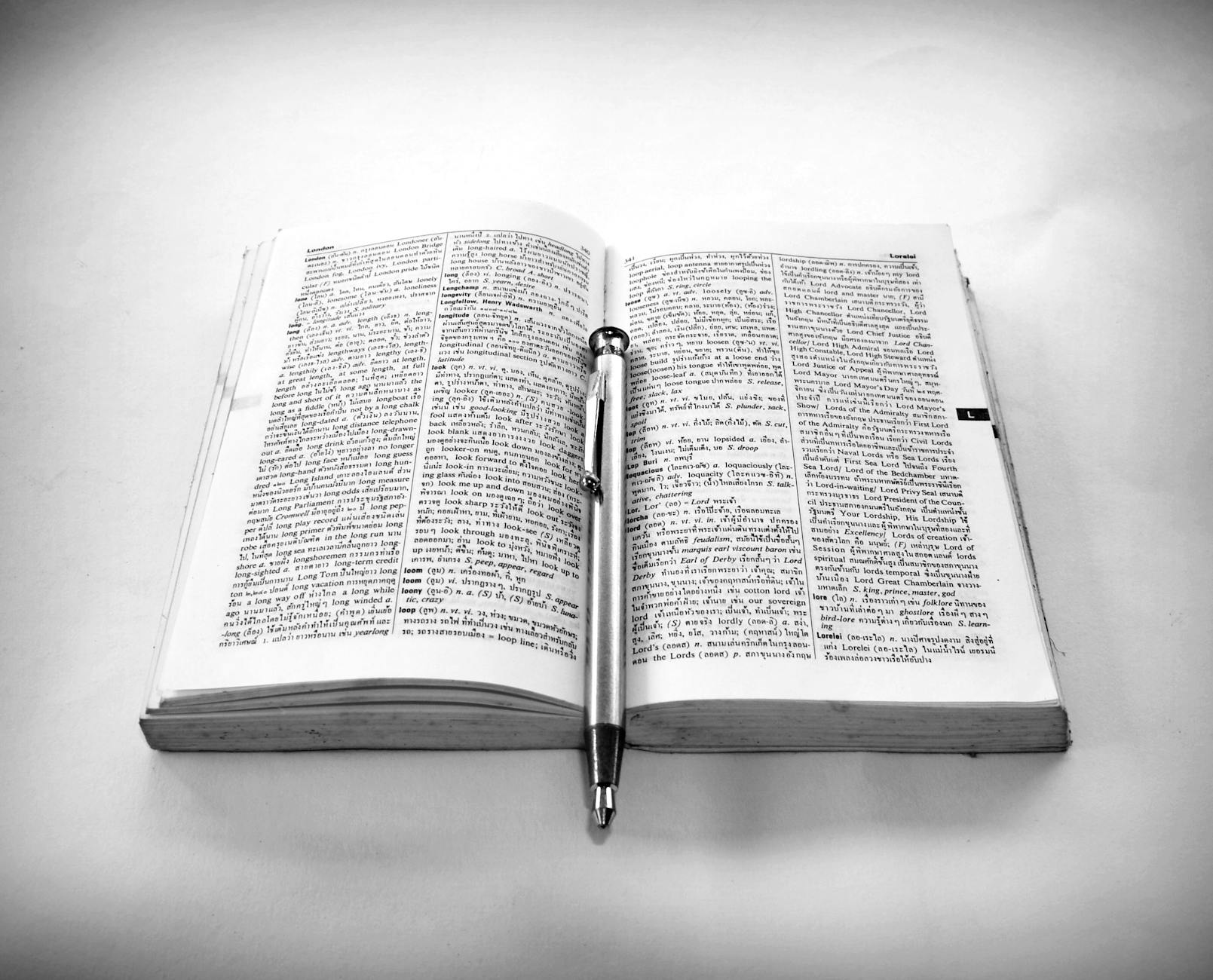
Good decision-making skills make our lives better.
As Christians, decision-making is an essential aspect of our faith journey. From choosing where to live and what career path to pursue to whom to marry, the decisions we make have a significant impact on our lives and the lives of those around us. How we approach decision-making as Christians can reflect our values and beliefs and ultimately shape the direction of our lives. Good decision-making makes our lives better overall. Many lives have been ruined because of poor decisions.
One key principle that guides Christian decision-making is seeking God’s will. In the Bible, Proverbs 3:5-6 reminds us to “Trust in the Lord with all your heart and lean not on your own understanding; in all your ways submit to him, and he will make your paths straight.” This verse highlights the importance of relying on God for wisdom and guidance in our decision-making process. Through prayer, seeking counsel from fellow believers, and studying scripture, we can discern God’s will for our lives and make decisions that align with His plan for us
Decision-making affects all parts of our lives, present and future. The processes we use carry over to other areas, so it’s essential we have good thinking abilities. Nowhere is that more evident than in our decision-making. Yesterday, we looked at certain areas, and I shared a personal insight from my own struggles with making good decisions. So, let’s look at some more areas today.
Will this decision affect others?
Our decisions almost never affect just us, even if they seem to. For example, my health decisions may seem to affect only me. But if I maintain an unhealthy lifestyle, it affects my family if they have to end up taking care of me.
If I have to have a bunch of tests, it affects everyone’s health care insurance rates. What? You think it doesn’t. Hospital costs rise because of those who use ERs as their main source of medical care. Yes, our decisions about many things affect others.
The Bible is an invaluable source of wisdom and guidance for Christians, providing timeless principles for making decisions that are not only aligned with their faith but also consider the impact on others. In 1 Corinthians 10:24, Christians are reminded of the significance of prioritizing the well-being of their neighbors over seeking their own good. T
This powerful verse emphasizes the selfless attitude that should accompany decision-making. Our decisions should consider the welfare and needs of those around us.
Will it damage my testimony?
This is an easy one for me. Within reason, if I feel my actions will cause someone to stumble, I know it’s not of God. Our actions are sometimes not going to be understood by others or even approved of by others, but that’s different than making a decision that is going to cause someone else to stumble.
It’s a delicate balance between following our own path and considering the effects on those around us. When we sense that our actions could lead others astray, it’s a signal to reconsider our choices.
However, it’s also essential to remember that there are instances when we are called to follow a certain path, regardless of the opinions of others. In such cases, finding ways to communicate and express our decisions with empathy and understanding becomes crucial. Our actions may not always be universally accepted, but by approaching them with compassion, we can navigate the complexities of interpersonal dynamics.
Will it impinge on another specific God-given task?
God has specific tasks for all of us. If God has called me to a specific task that I have already undertaken, and this new action will result in it not being accomplished, I have to question whether God is the author or not. OR I have to reexamine that task. Is God changing course? God is not the author of confusion. Let’s look at an example.
Maybe I’ve been leading a Bible study, and now I sense God wants me to chair a committee. I probably can’t do both effectively. So, what do I do?
Obviously, I pray for God to make this clear, but I also do some reflecting. I could look at both options and consider where I am the most effective. Maybe I look at my current lifestyle. And maybe it isn’t either or. Maybe God is presenting me with options, both of which are His plan for me. It’s up to me to decide. Sometimes, God is OK with us making the choice.
We are meant to grow in our walk with God. That means that God progressively reveals concepts to us over time. However, any new revelation will not discount a previous one unless, of course, we had it wrong to begin with. I have had times when God has sent me in directions that seem contrary to what I’ve known of Him in the past. But when I further reflect, I’ve come to realize that God has simply brought me to new territory.
Will it damage my testimony?
When we consider our actions and their potential impact on others, it is crucial to approach the matter with understanding and empathy. It is pertinent to reflect on whether our choices might lead others astray or cause them to stumble in their own journey. While it is essential to be mindful of this impact, it is equally important to acknowledge that there may be occasions when we are called by a higher purpose, taking precedence over the opinions of others, irrespective of external judgment or misunderstanding.

This delicate balance between considering the impact on others and following a divine calling requires discernment and wisdom. It emphasizes the significance of holding true to our beliefs and values while remaining considerate of the influence our actions may have on those around us. Striving for this equilibrium underscores the complexity inherent in navigating the intricacies of human interaction and spiritual guidance.
will I be able to look back and be comfortable with this decision?
I don’t think this needs much explanation. We are often told to live in the moment and not worry about the future, but some of us take that way too literally. When I come to the end of my years, I want to know that what I claimed was God’s direction was, in fact, God’s direction. This “thinking forward so I can look back with peace” is a tool that proves useful to me.
It’s hard to make decisions with the distant future in view because we don’t know what the future holds, but I know that I don’t want to look back and realize any decisions I made brought sadness to God.
Always seek God’s guidance
Needless to say, we should seek God’s guidance for all our decisions.
Seeking God’s guidance is not merely a one-time request for assistance; it’s an ongoing, intentional pursuit of alignment with God’s will, rooted in a foundation of faith. As we strive to deepen our connection with God, we open ourselves to boundless wisdom. And God promises in James that when we ask for wisdom, God is willing to give it to us in spades. But so many things we ask guidance for, we don’t need to because we already know!
I wonder sometimes if God is insulted when we ask about something that is clearly already known in the Bible. And most things are.
I hope these past few posts have helped you with your decision-making. Every day is full of decisions, and every decision sets the stage for the next one. Consider your decision-making abilities. Do they need improving? I know mine do in some areas… remember the donut?
Until next week, God bless.
- Happy Friday! Embrace yourself for the unique person you are.
 Today is my birthday. I am grateful God chose me and gave me a purpose right in the womb. It took many years, and while… Read more: Happy Friday! Embrace yourself for the unique person you are.
 - Why Discretion and Understanding Are Essential To Guard Your Heart
 Proverbs 2:10–11 If verses 6–9 are the gateway, these two verses, highlighting understanding and discretion, show you what’s waiting on the other side. When wisdom… Read more: Why Discretion and Understanding Are Essential To Guard Your Heart
 - So what am I up to this week?
 Well, first, we’re at our up-north cabin which is really only 2 hours from our house. But out cabin is in the woods. We’ve bought… Read more: So what am I up to this week?
 - Faith vs idolatry: Know the Difference. What Is It?
 Faith vs Idolatry: A Christian Reflection on Gone With the Wind Faith vs idolatry: Scarlett wanted the land that Tara, her lifelong home, sat on.… Read more: Faith vs idolatry: Know the Difference. What Is It?
 - Post 10: When Wisdom Talks, It’s Smart To ListenProverbs 1:24–33 This passage gently encourages us to embrace resilience and hope, reminding us that we are not alone in our struggles. Wisdom offers a… Read more: Post 10: When Wisdom Talks, It’s Smart To Listen
